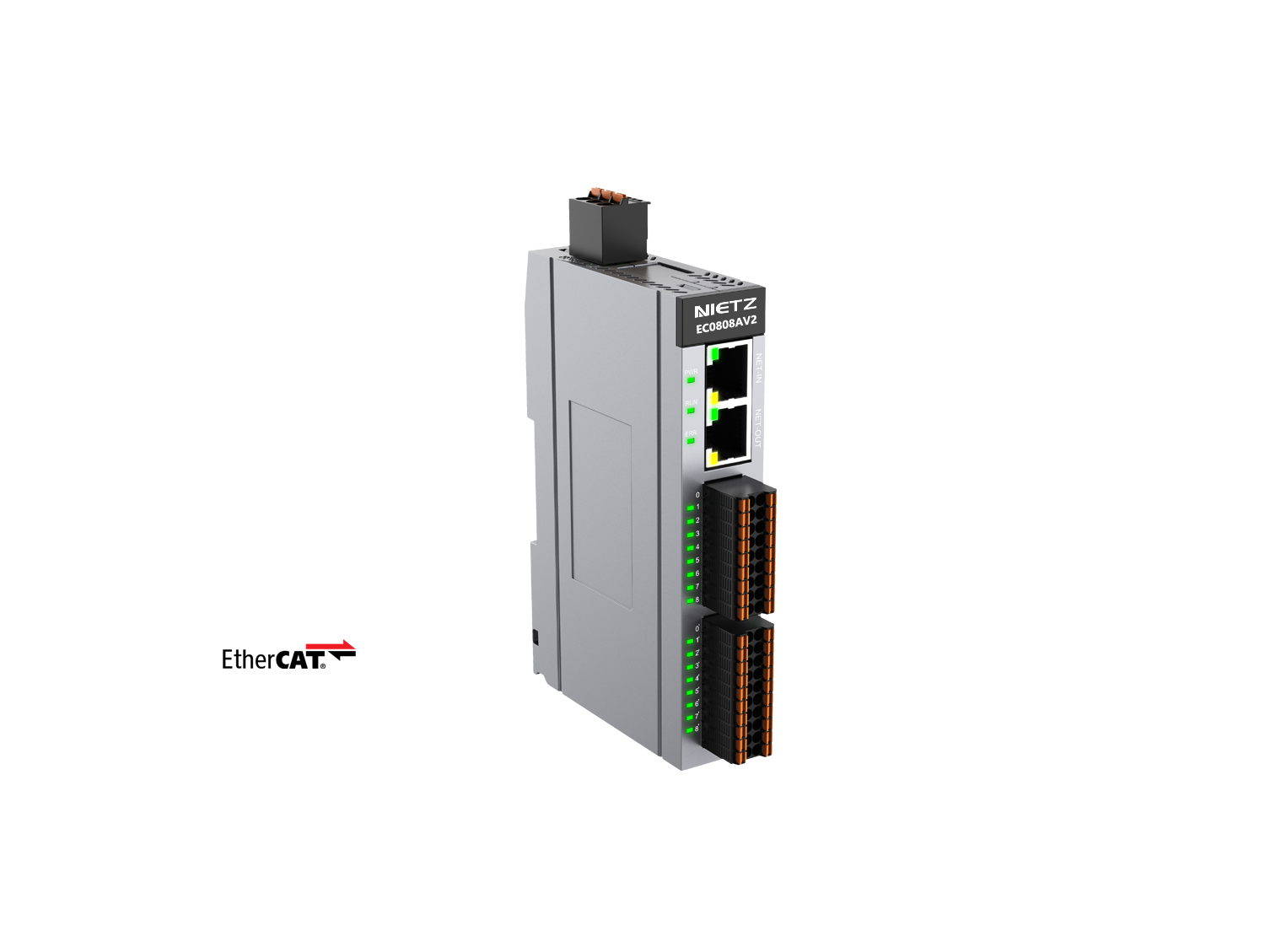
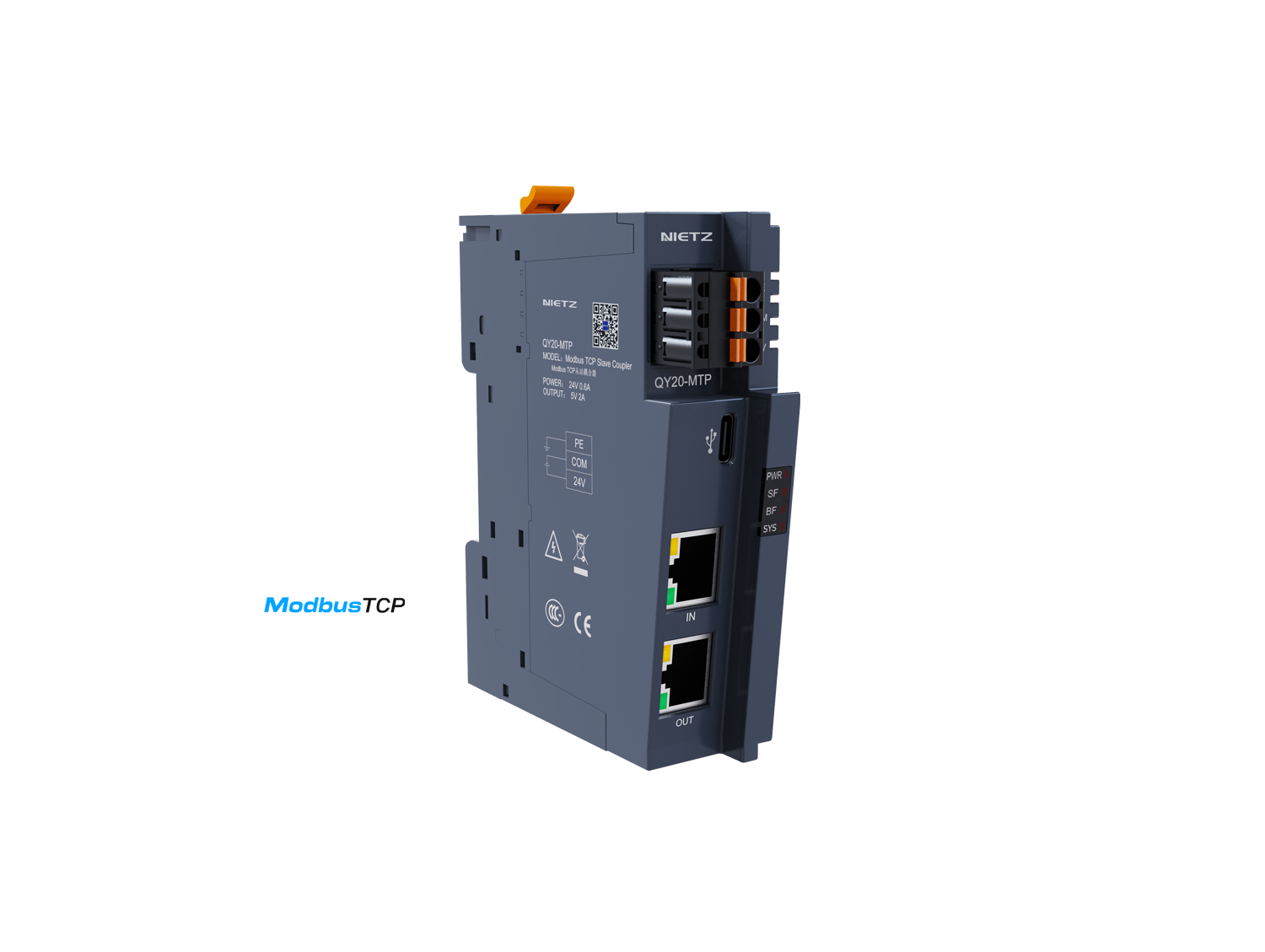
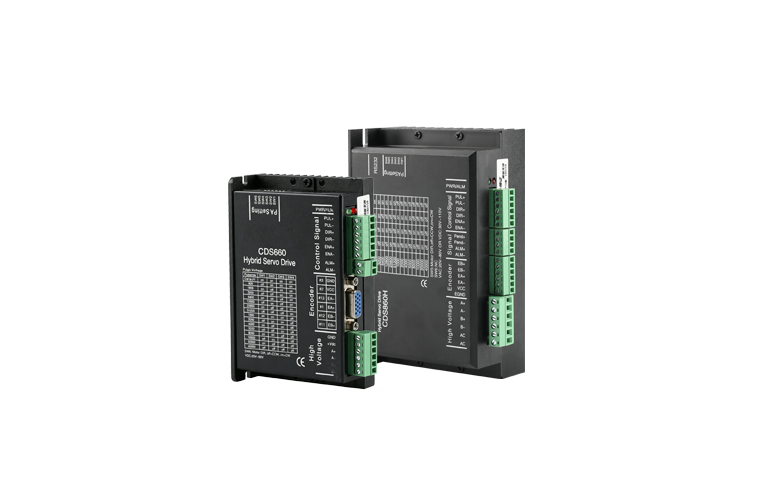
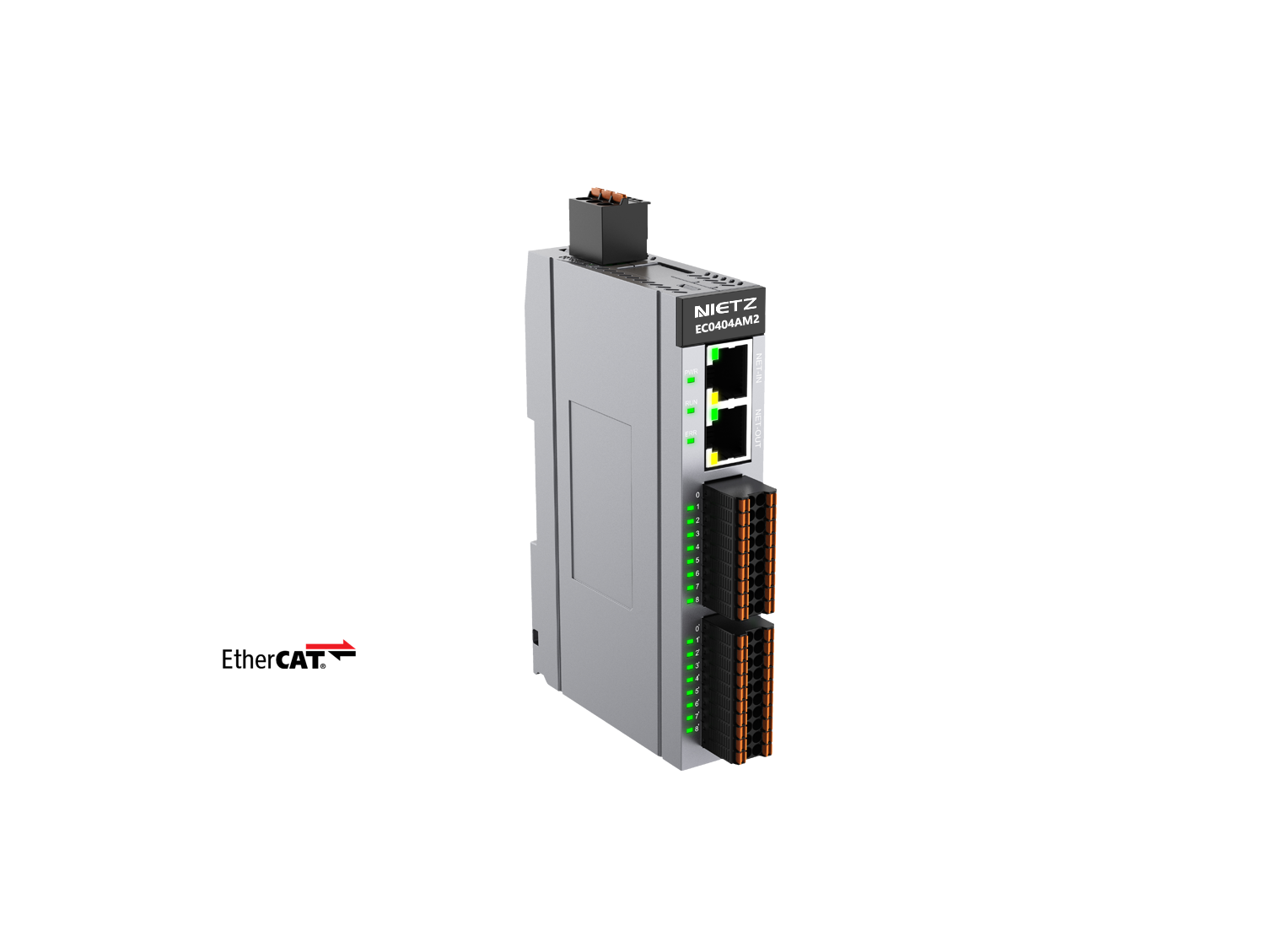
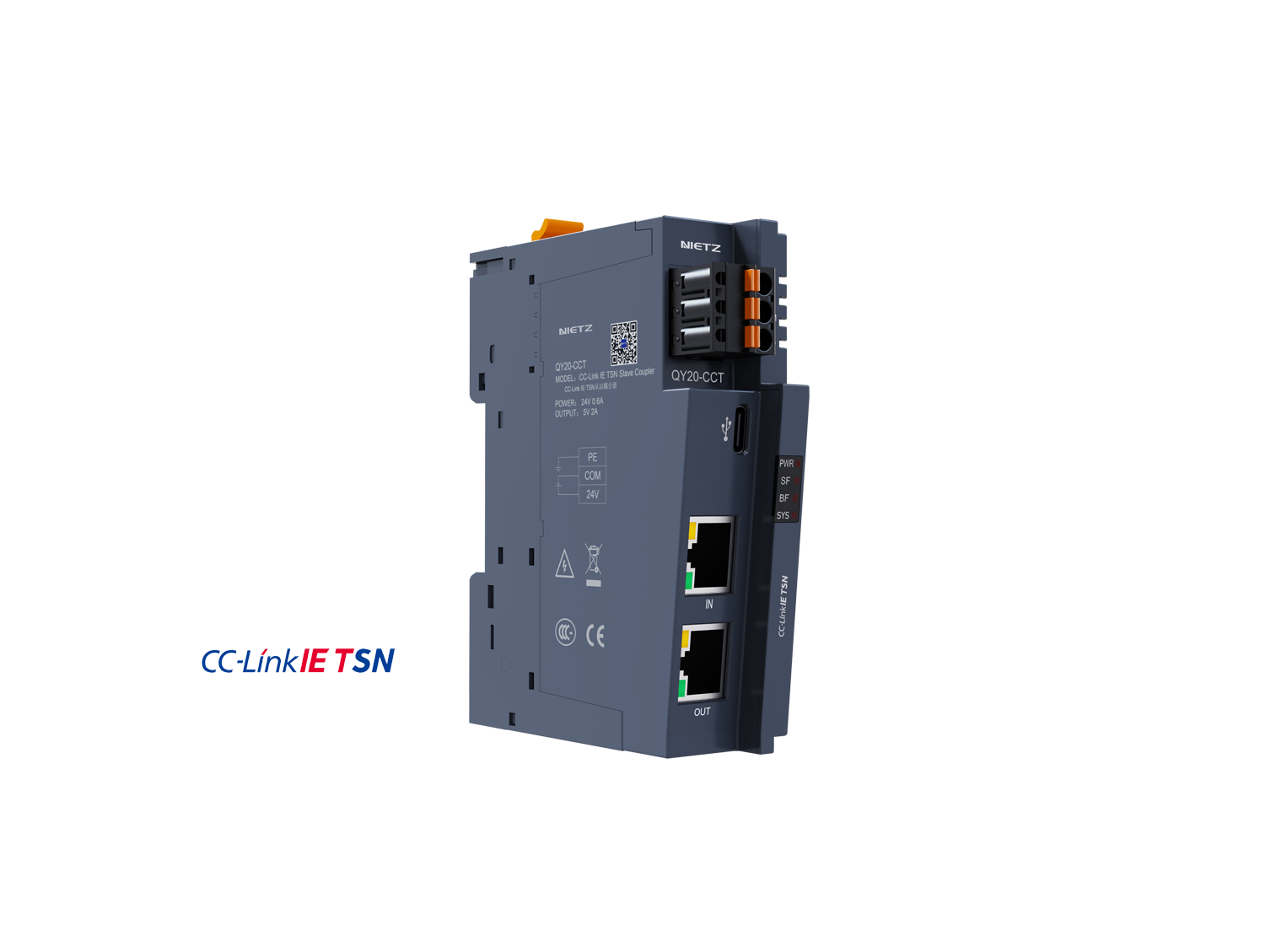
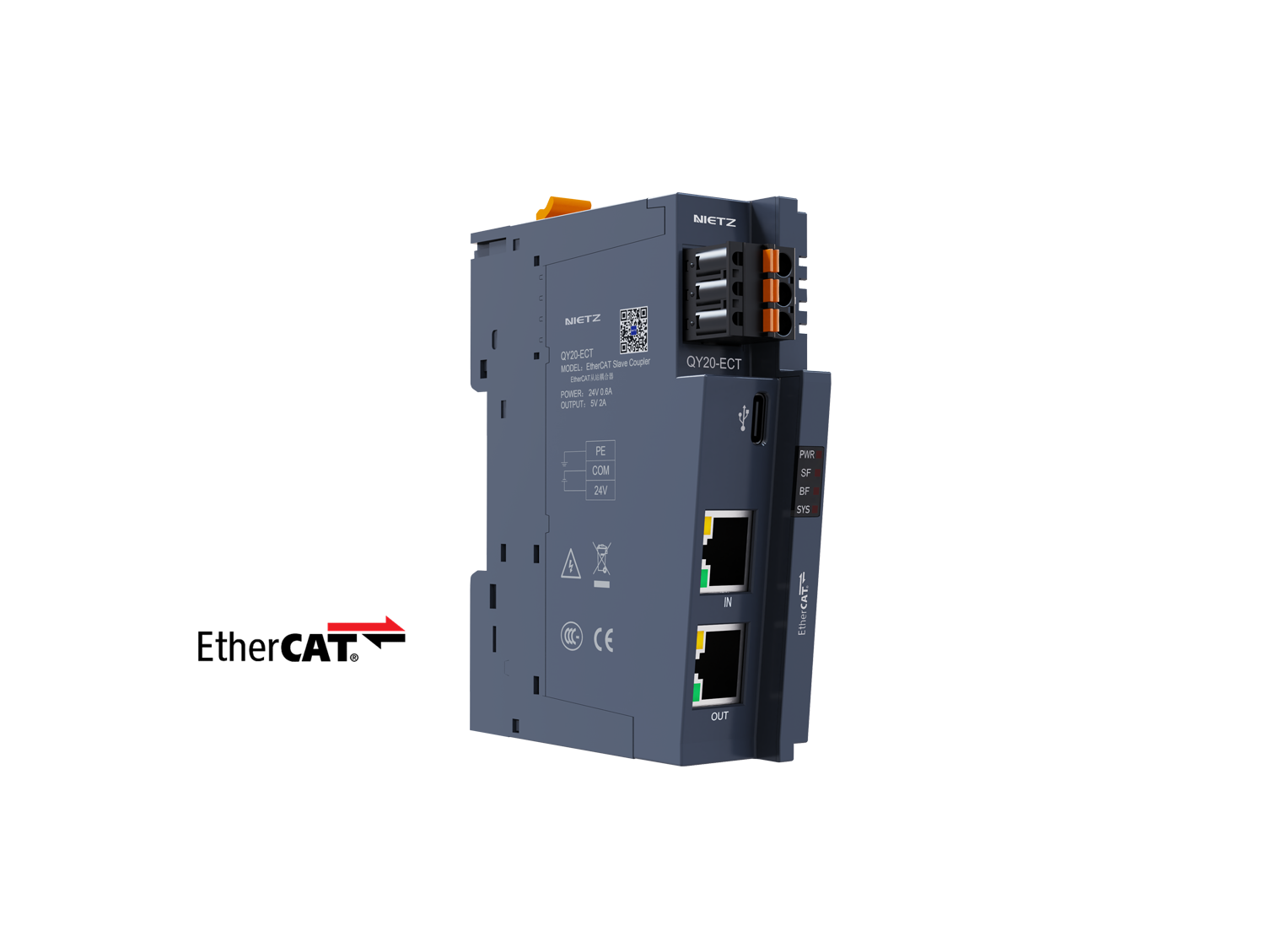
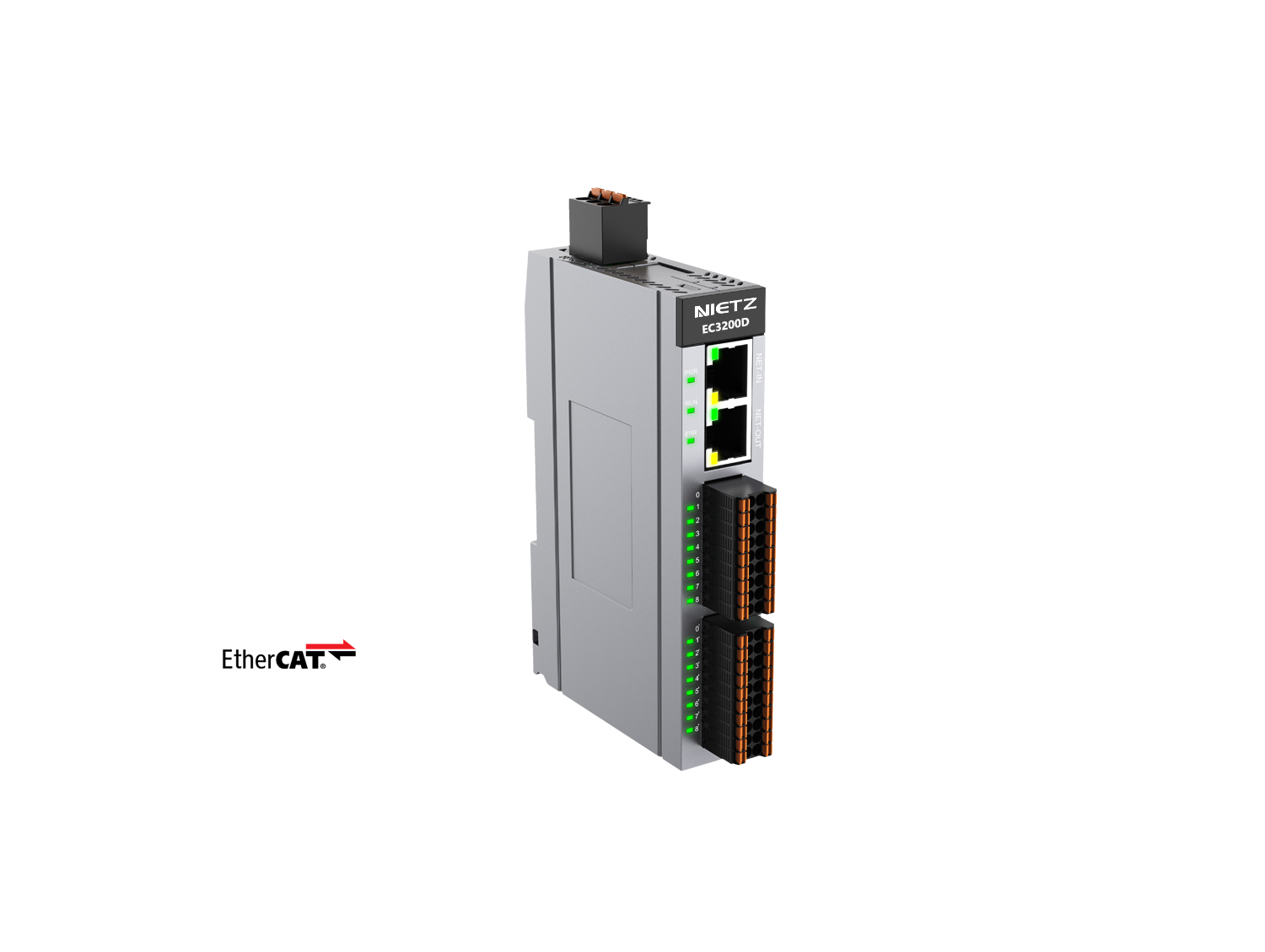
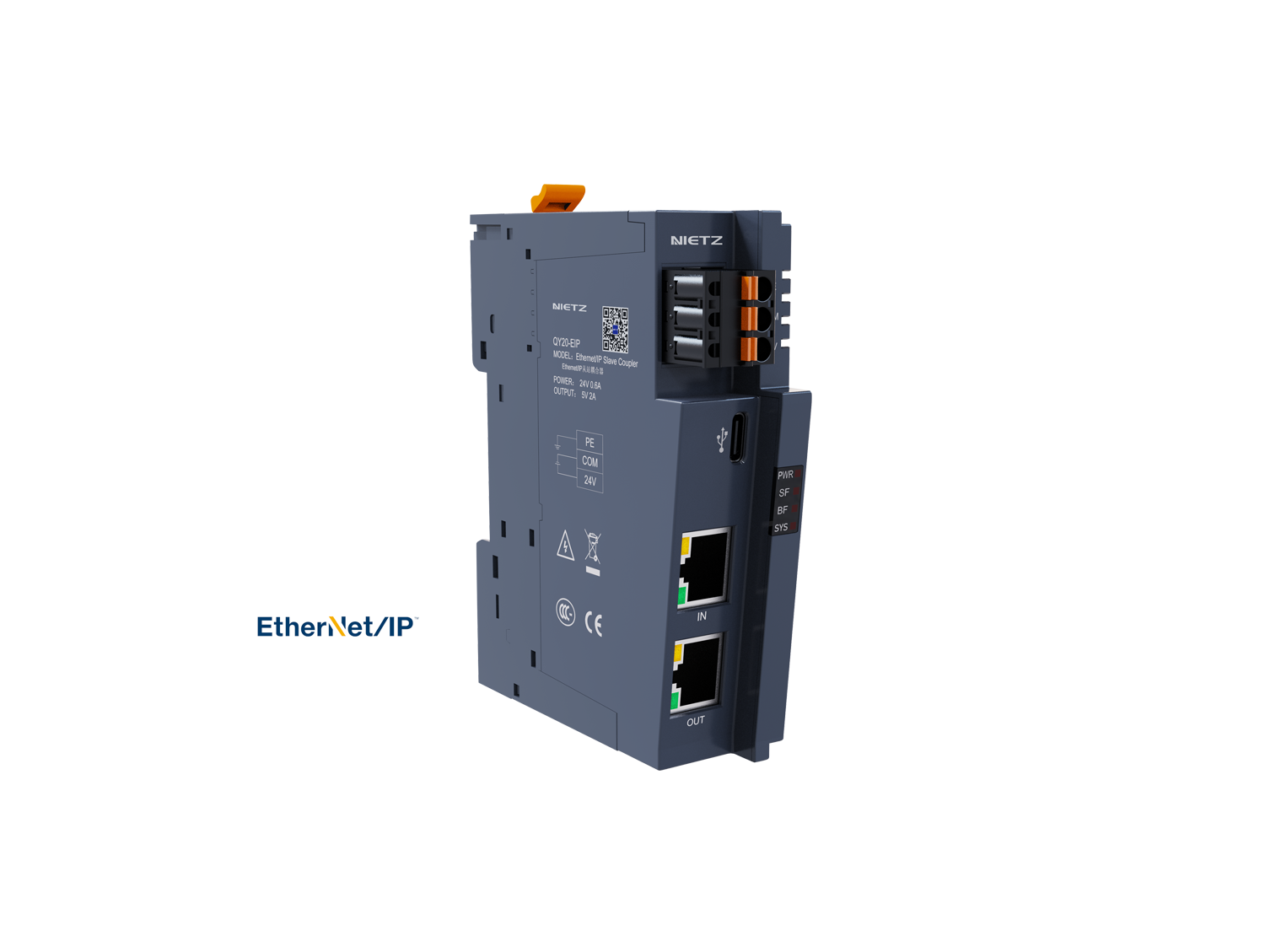
Advantage of ZQ500 series
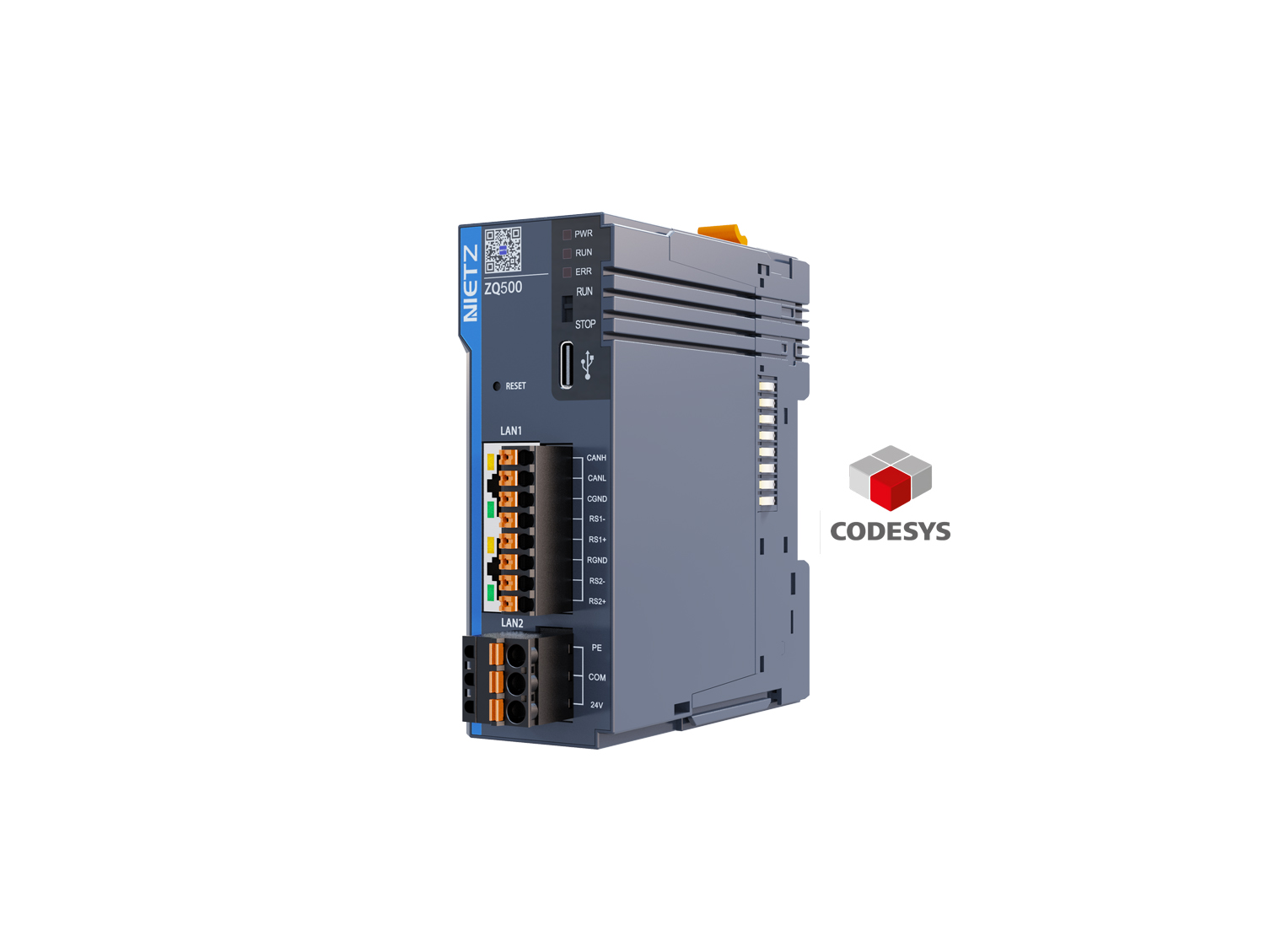
The ZQ500 series is a high-performance, mid-range PLC designed and developed in full compliance with PLCopen specifications and IEC 61131-3 standards. It supports programming languages such as ST, LD, SFC, and CFC, offering robust CPU performance, stable and reliable hardware/software design, extensive scalability, a compact footprint, and a modular architecture. It is primarily used in motion control and complex production line networking scenarios, making it particularly well-suited for applications involving multi-axis servo control and the integration of multiple bus protocols.
Powerful Hardware and Software Configuration
- Single-core processor (ZQ500 series) with a 1.4 GHz clock speed and nanosecond-level instruction processing.
- 128 MB program capacity and 128 MB data capacity (including 1 MB for retentive variables and 64 KB for retentive M-device data), enabling data retention during power loss without an external UPS module.
- The base unit supports the expansion of up to 32 QY20 series I/O modules, including DI, DO, AD, DA, PT, TC, PO, and HC modules.
Extensive Communication Interfaces
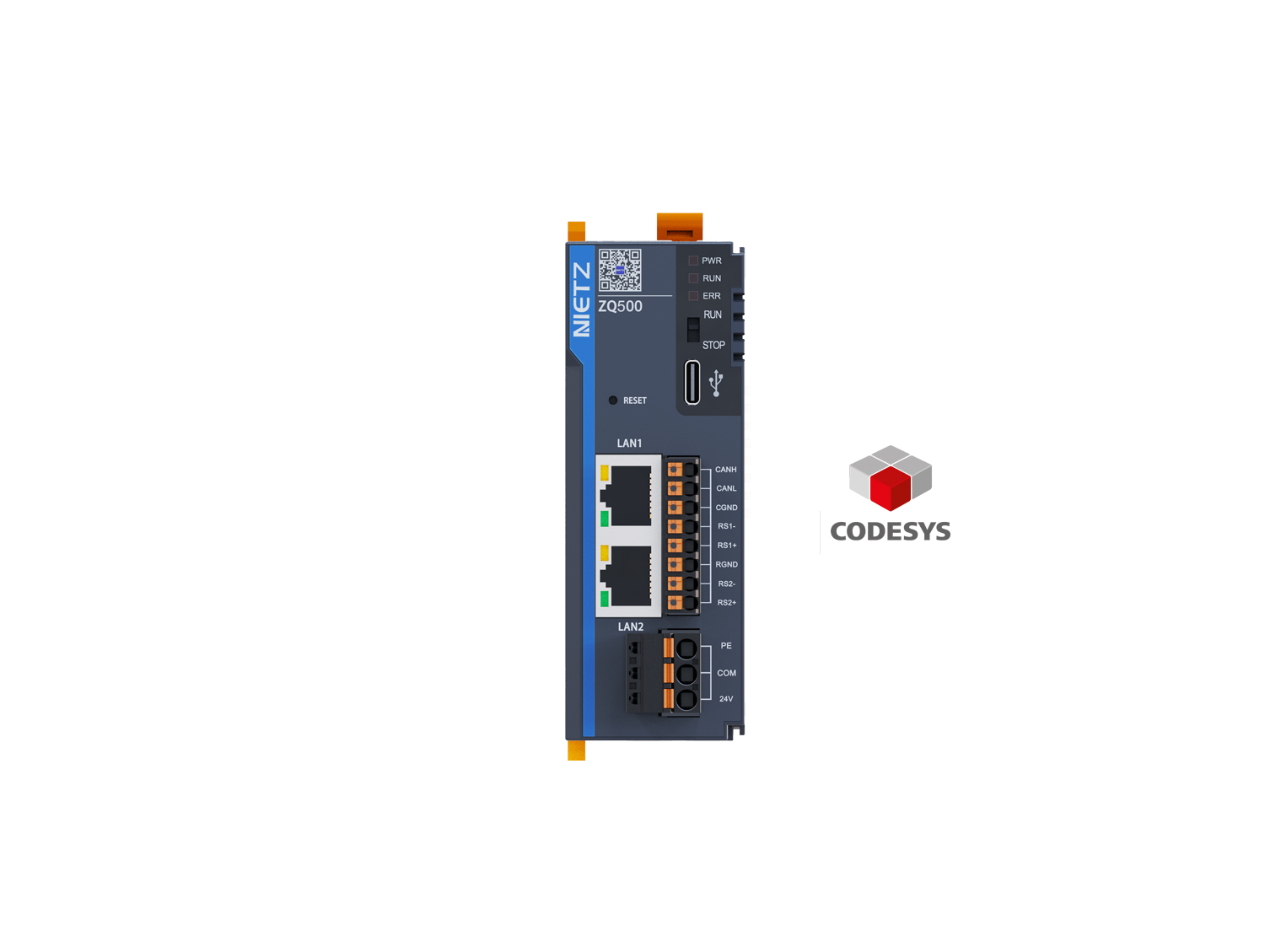
- Supports two Ethernet ports; LAN1 can be configured as an EtherCAT master or a PROFINET master/slave. In EtherCAT mode, it supports control of up to 16 axes and connection to 256 EtherCAT slaves. Both LAN1 and LAN2 support connections to 63 Modbus TCP slaves and 16 OPC UA sessions (client).
- Supports two RS485 channels (master/slave modes) and one CAN channel; the CAN interface supports 127 slaves when acting as a CANopen master and also supports CAN free-protocol communication.
- Supports USB-based program downloading/monitoring and firmware upgrades.
Development and Reliability
Utilizes Ladder Diagram (LD), Function Block (FB), and Structured Text (ST) languages compliant with IEC 61131-3/PLCopen standards, effectively reducing development time and enhancing project efficiency.
Flexible and Comprehensive Performance
- ZQ500 Series: Model 501 supports up to 8 axes; Model 502 supports up to 16 axes, with a minimum synchronization cycle of 1 ms.
- The entire series supports EtherCAT linear, star, and ring network topologies. Branching capabilities can be integrated via expansion modules.









 PLC Catalogue
 Programming Software 202605
 CodeSys